Presentation
Il Pastore della Sila
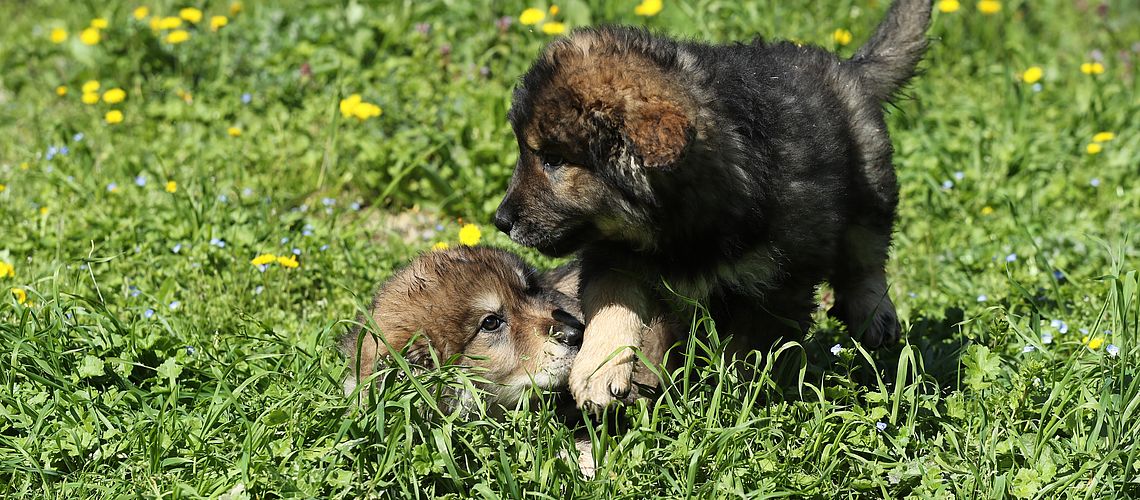
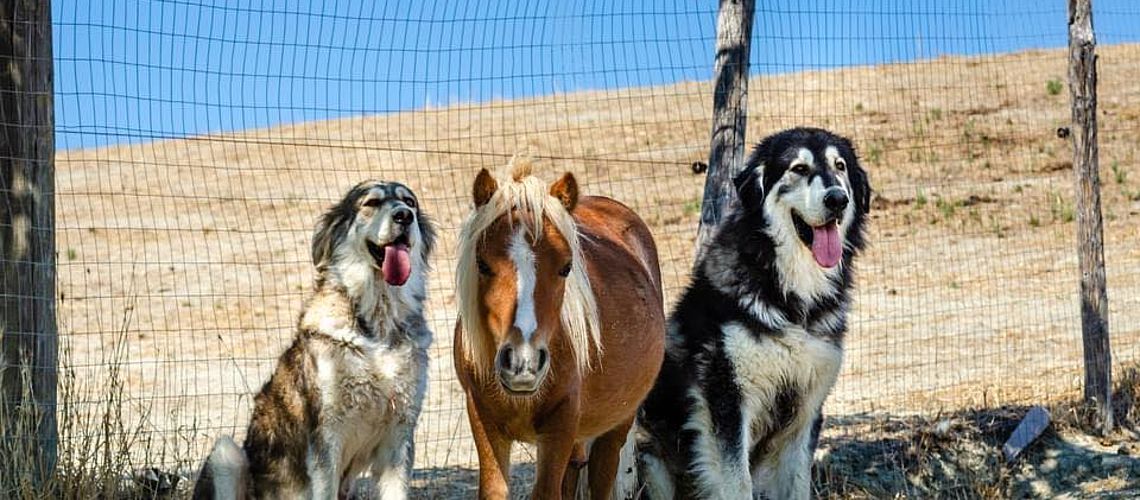
The Sila Shepherd Dog is a key player in Italy's canine biodiversity and represents one of the native pastoral breeds most closely linked to the history of the country. Let's learn more about it with breeder Dario Capogrosso (Sarezzano, Alessandria) and Genny Notarianni (CIA Alessandria), who will guide us through the role, morphology, and character of both adults and puppies.
Also known as the Calabrian or Sila Shepherd Dog, the Sila Shepherd Dog has been bred since ancient times in the mountainous areas of the Calabrian Apennines. The breed takes its name from the Sila Plateau, its cradle of origin and still the area where it is most widespread. The Sila Shepherd's origins are rooted in the history of ancient migrations: it is believed to descend from the sturdy herding dogs that arrived in Calabria with the Indo-European peoples and from those that subsequently arrived with the Greek populations during the colonization of the Sila Plateau.
The original type of the breed has been preserved over the centuries thanks in part to the wild and challenging environment of the Calabrian Apennines. Here, the Sila Shepherd has always fulfilled its primary task: protecting livestock, especially goats, from wolf attacks. The harsh, mountainous environment has shaped a strong, balanced, and perfectly functional breed, selected in the field rather than on paper.
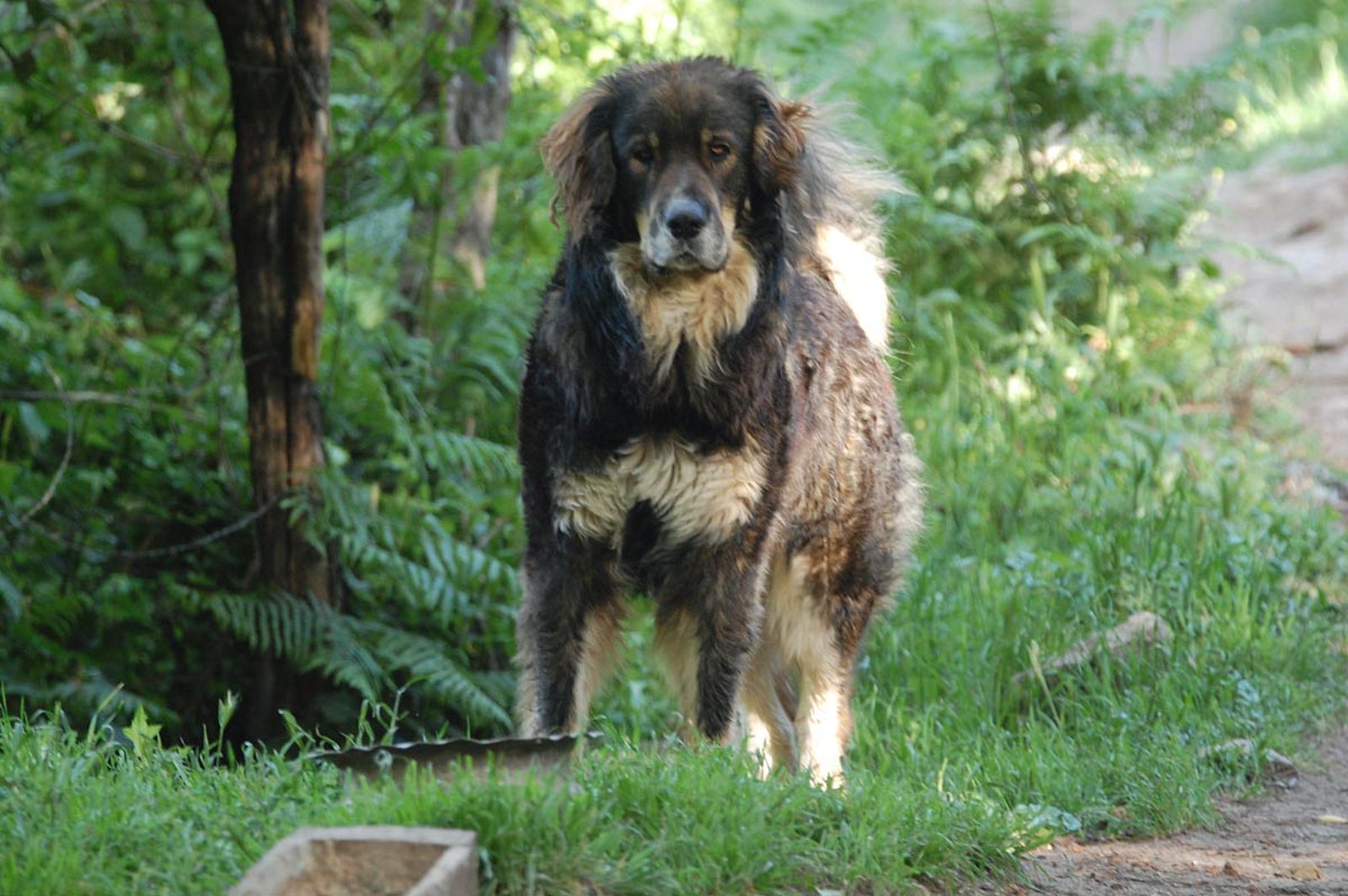
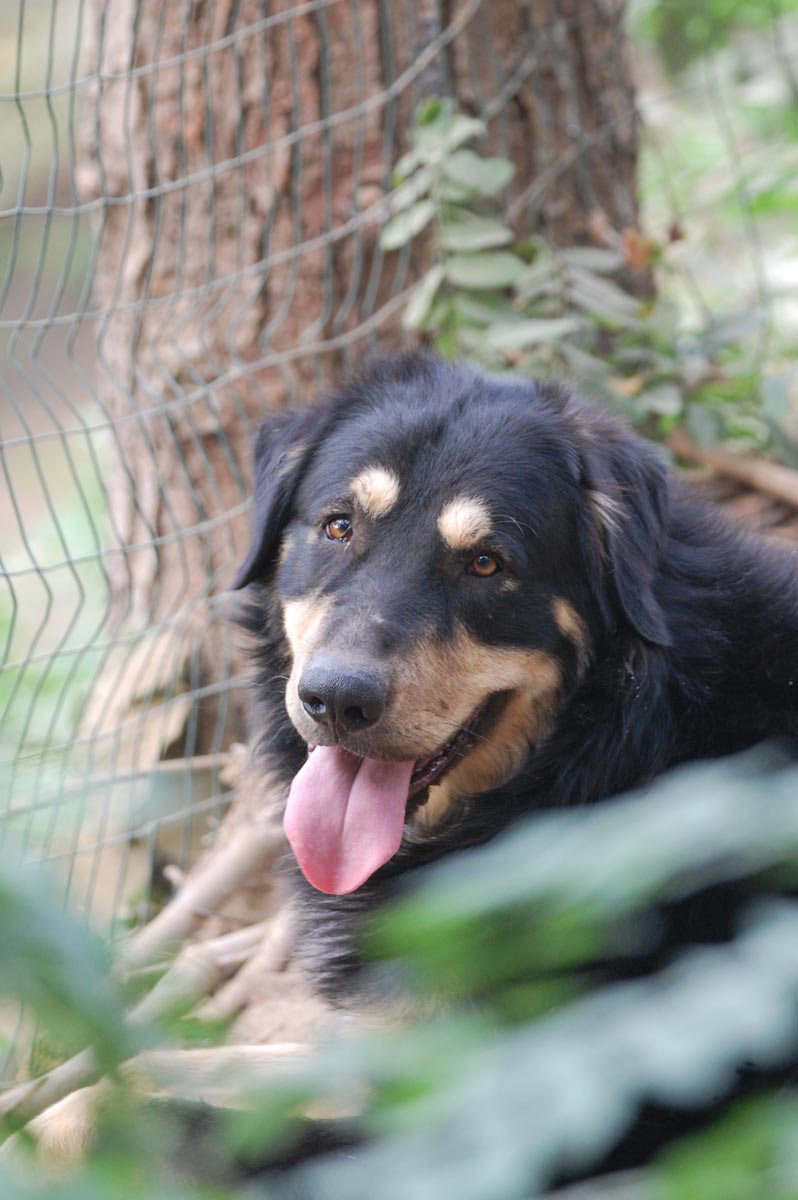
Today, the Sila Shepherd maintains its qualities intact: a large, vigorous, and agile dog, with strong bones, powerful muscles, and a confident yet cooperative nature. The breed is still being rediscovered and enhanced, but it continues to be a living symbol of Southern Italy's pastoral traditions, a canine heritage that deserves to be known, respected, and preserved.
Welcome
The Sila Sheepdog, a precious treasure trove of Italian canine biodiversity
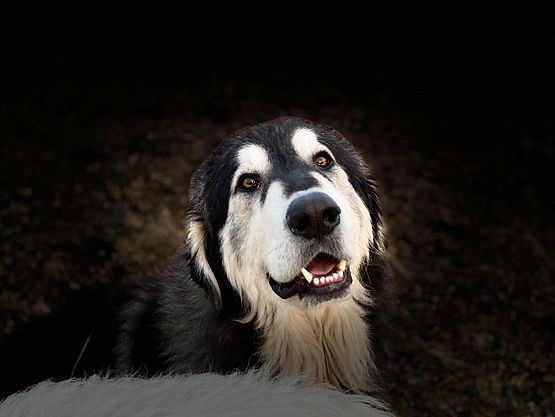
pastore sila maschio
Biodiversity is the variety of species that populate Planet Earth, nature's most powerful tool for adapting to environmental changes. It is the driving force of evolution. Italy boasts the greatest number of different species and breeds in Europe.
Among the many livestock breeds that populate the peninsula is the Sila Shepherd, a native Calabrian sheepdog... fascinating, ancient, austere, and loyal, and whose DNA preserves intact an invaluable genetic heritage as a strong, fearless, and combative protector of flocks. This dog, among the oldest Italian sheepdogs, was traditionally used to defend herds from predators on the rugged pastures of the Calabrian mountains, and today is recognized and appreciated as one of the best and most reliable Italian wolfhounds.
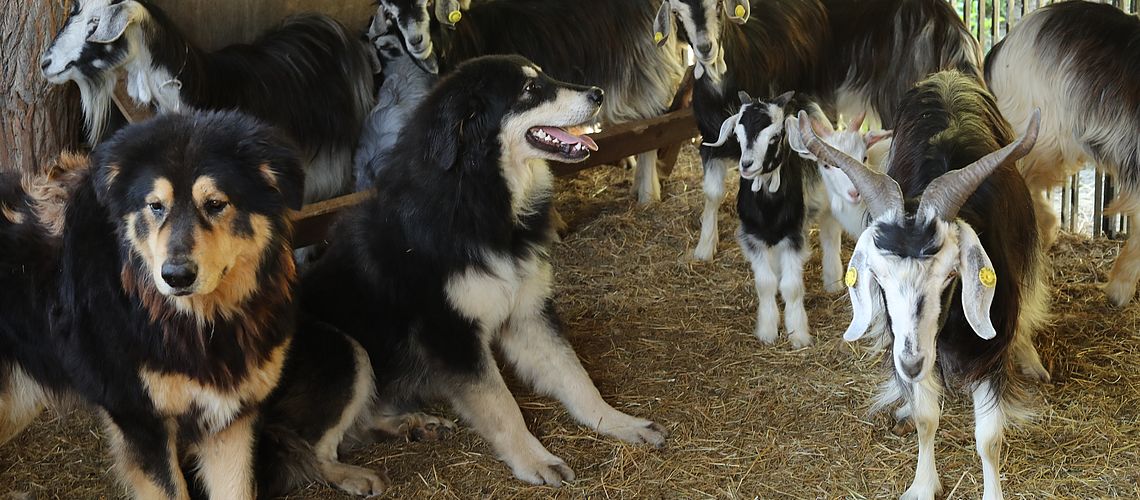
As a good guardian dog, it forms a very close bond with goats, carefully monitoring them as they graze, constantly "pacing" the surrounding terrain, and decisively confronting any threat if necessary.
It's unclear whether this was a matter of chance, the choice of generations of Calabrian shepherds, or a happy twist of natural selection within the same agro-pastoral "biotope"; or more likely, a choice made by Calabrian goatherds who selected their dogs to blend in perfectly with their flock. The fact remains that the Sila Shepherd, with its diverse coat colors, perfectly emulates the colorations of Calabria's native goat breeds (Nicastrese goat, Calabrian rustic goat, Aspromonte goat). Seeing them alongside their goats is a chromatic spectacle that conveys the idea of a harmonious ensemble, certainly unique in the world.
As determined, aggressive, strong, and courageous as he is with wolves and feral dogs, he is equally docile with his shepherd. Although generally wary of strangers, he becomes affectionate and trusting in the presence of his shepherd. He loves the social life of his pack of dogs and goats, where balance reigns supreme and hierarchies are strictly respected.
His traditional work does not primarily take place on the extensive, open pastures typical of sheep farming in central Italy. Goats, unlike sheep, scatter in search of food during grazing. They are much more frugal and adapt to the more rugged terrain typical of the Calabrian Apennines, particularly the Sila. This characteristic of goats requires the Sila Shepherd to tirelessly monitor the herd while on the move, patrolling the herd and, above all, keeping an eye on the surrounding brush where dangers lurk.
An extraordinary dog, a living treasure recovered thanks to the tremendous work carried out by the Circolo Pastore della Sila (CIPS), founded and led by Isabella Biafora, who, as a fellow zoonomist, raises strictly Calabrian breeds on her Jurevetere livestock farm (Nicastrese goats, Moscia Calabrese sheep, donkeys, and poultry).
The breed was officially recognized by the ENCI in 2015 with the activation of the Open Supplementary Register (RSA) for the registration of individuals belonging to typical, traditional Italian canine populations undergoing demographic recovery as a breed.
At our Selection Center for Traditional Italian Livestock Breeds, "Il Pastore Transumante," the Sila Shepherd has undoubtedly become one of the key elements of our "garden of canine biodiversity."
Much time has passed since the first appearance of the guardian dog of flocks, in Idyll V - Goatherd and Shepherd, written around 280 BC by Theocritus. In his song contests, he recounted the daily activities of Calabrian shepherds and described the role of the guard dog with the words of the shepherd Lacone, "I have a dog that loves the flock and slaughters wolves; this is the gift I want to give my boy, every kind of beast for hunting."
A dog with extraordinary qualities that has retained intact the ancient characteristics that make it an exceptional tool for protecting livestock. An example of a modern solution to the problem of predation with an ancient and effective tool.
(copy 3)
[Translate to English:]
Dott. Dario Capogrosso

Pastore della Sila: guardiania e comportamento
Galleria