The Sila guard dog
... parallel stories
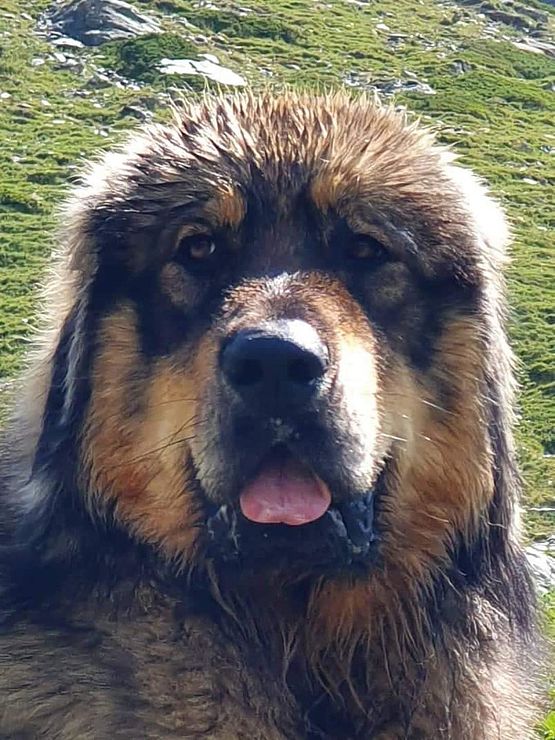
Grosso pastore della sila
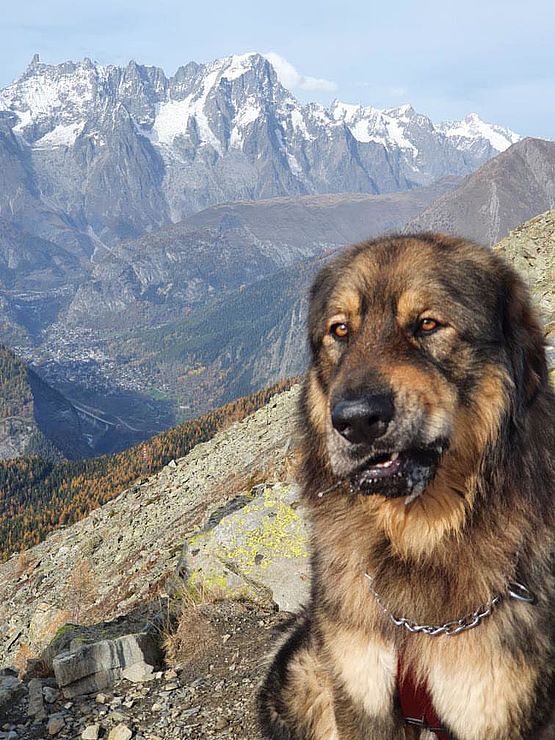
The great variety of Calabria's landscape is all too obvious, characterized not only by its rugged and rugged mountainous terrain but, first and foremost, by its long peninsula-like progression. However far one ventures into the region's interior, touching the mountain peaks of the Bruzi Apennines, the sea is ultimately always nearby, and the Tyrrhenian and Ionian Seas are never more than fifty kilometers from the interior.
The idea we have of Calabria—of its historical, spiritual, moral, and cultural identity, and therefore also of the nature of its inhabitants—is an idea that seems consolidated from time immemorial, and founded on a supposedly strong cohesion and homogeneity of its territory and its people. Yet the region's territorial reality and—in part—its historical tradition present often striking internal differences, both in terms of spatial conformation and in terms of evolution over time.
For a single imagined Calabria, there are, or have been, multiple Geographic Calabrias, multiple Historical Calabrias, multiple Calabrias of customs and culture. Schematically, then, to the north is the Calabria of the primitive Bruttians and their violent Romanization; to the south is the Calabria of the highly civilized Magna Graecia colonies and their unstoppable confluence in the municipalities of the new ruler. The idea of Calabria—tout court—has always oscillated between these two poles, speaking of a harsh and primitive Calabria, isolated and rebellious, paralleling the idea of Calabria as a sunny and wise land, highly civilized and cultured.
(taken from "History of Calabria, from Antiquity to the Present Day" by Augusto Placanica, published by Meridiana Libri)
This balance between two seemingly opposing poles is also the element that distinguishes the Sila Shepherd, a dog so docile with those he loves and so courageous and decisive with those who threaten him.
Sila Shepherd, an ancient herder of sheep and goats
To describe the breeding of the Sila Shepherd, we can begin with goat farming on the Sila plateau.
This dog is intimately tied to its flock; from their earliest days, puppies develop a close bond with goats and sheep, which are its primary source of food (scraps, cheese-making residues, etc.) and form its extended family.
Its origins can be traced back to the migration of shepherds from Asia to southern Italy. These large-scale migrations of wandering shepherds brought cattle, sheep, and goat breeds to Italy, from which the most ancient native Calabrian breeds descend.
The "Rustica di Calabria" goat, the Nicastrense goat, and the Aspromontana goat were the mainstays of Calabria's agricultural economy until the mid-20th century, when the inland areas and livestock farming began to gradually be abandoned.